
(This article was written in 2015.)
I have been affiliated with International Physicians for Prevention of Nuclear War (IPPNW) since 2008. This organization is the recipient of the Nobel Peace Prize 1985. My journey with them began in New Delhi in 2008 when I literally gatecrashed their world congress. This was about harmful effects of nuclear weapons and ways to abolish them. I got interested in the topic and attended their next congress in Hiroshima (2009). The journey continued to Basel, Kathmandu, Nagasaki, and Villingen (Germany). I then went on two bike tours with them. One was from Nagasaki to Hiroshima in 2012. The other was from Ulm to Villengen in Germany’s Black Forest in 2013. Since then, the quest for knowledge has changed my life. My craving for cycling and campaigning for peace continues to impact me each and every day.
Last year in August, I got the opportunity to join the IPPNW Peace Bike Tour in Kazakhstan. I was also one of the organizers. We travelled from Semipalatinsk (Semey) to the capital, Astana. We covered over 1000 km, mostly on bicycles. Describing the whole experience is beyond the scope of this article. Nonetheless, I am writing about the most important visit of our tour to the Semipalatinsk nuclear test site (STS).
We drove over bumpy Kazakh highways to reach the STS. It is near Kurchatov town, some 100 miles away from Semey. The city was named after the scientist Igor Vasilievich Kurchatov, who was the Director of the Soviet Atomic Bomb Project. Kurchatov is also known as the Father of the Soviet Atomic Bomb, along with Georgy Flyorov and Andrei Sakharov.
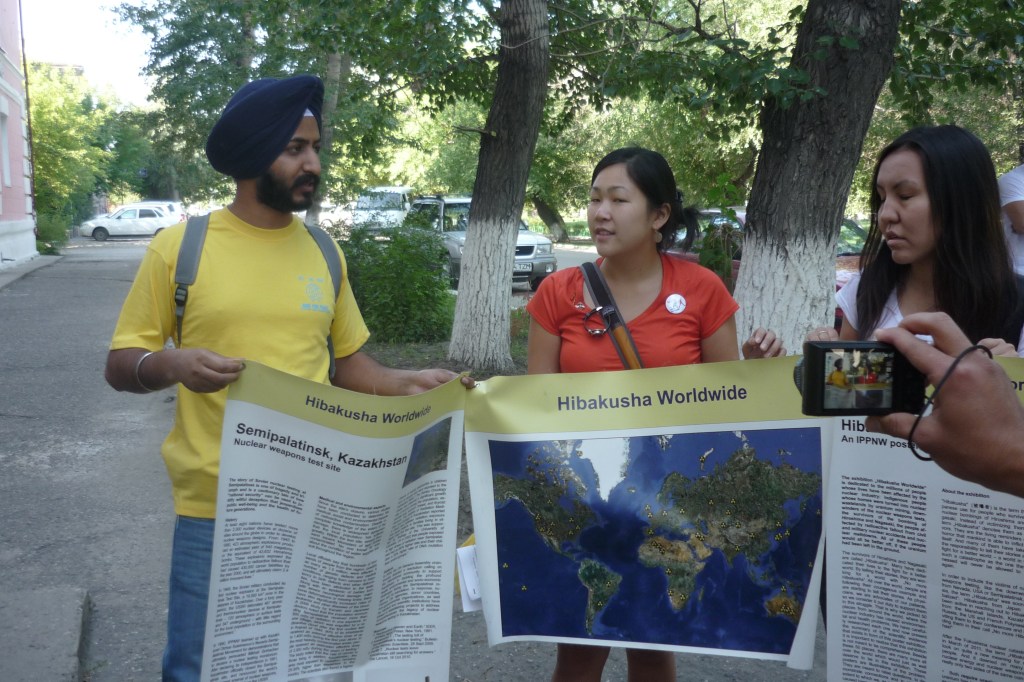
Semipalatinsk, a former Soviet nuclear testing site, is a story of tragedy and triumph. It is also a cautionary tale. It shows how national security can be used to justify willful deception. Such deception jeopardizes public health and safety for its citizens and future generations.
A total of 456 nuclear tests were conducted from 1949 to 1989. These included 616 nuclear explosions. This period also saw the USSR’s first successful nuclear weapons test. Nuclear tests were divided into two stages. The first stage was atmospheric nuclear explosions from 1949-1962. The second stage consisted of underground tests in boreholes and tunnels from 1961-1989. Additionally, 175 chemical weapons tests were conducted during this period.
We (IPPNW Bike Tour participants) visited the experimental field site, specifically the Polygon, aka Opytonoye Pole site. It was the first testing site of Semipalatinsk and was designed for above-ground nuclear tests. Opytonoye Pole spans 20 km in diameter and is surrounded by low mountains on three sides. The experimental field occupies an area of ~300 km² and has a 64 km perimeter. The site is situated more than 50 km away from Kurchatov town.
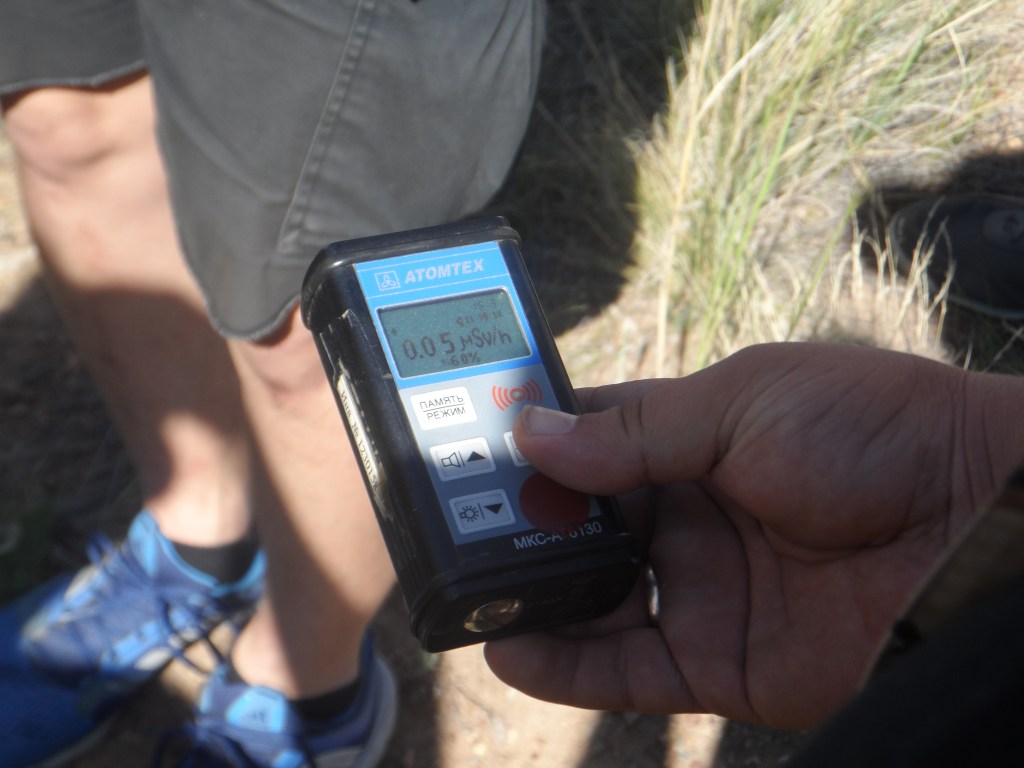
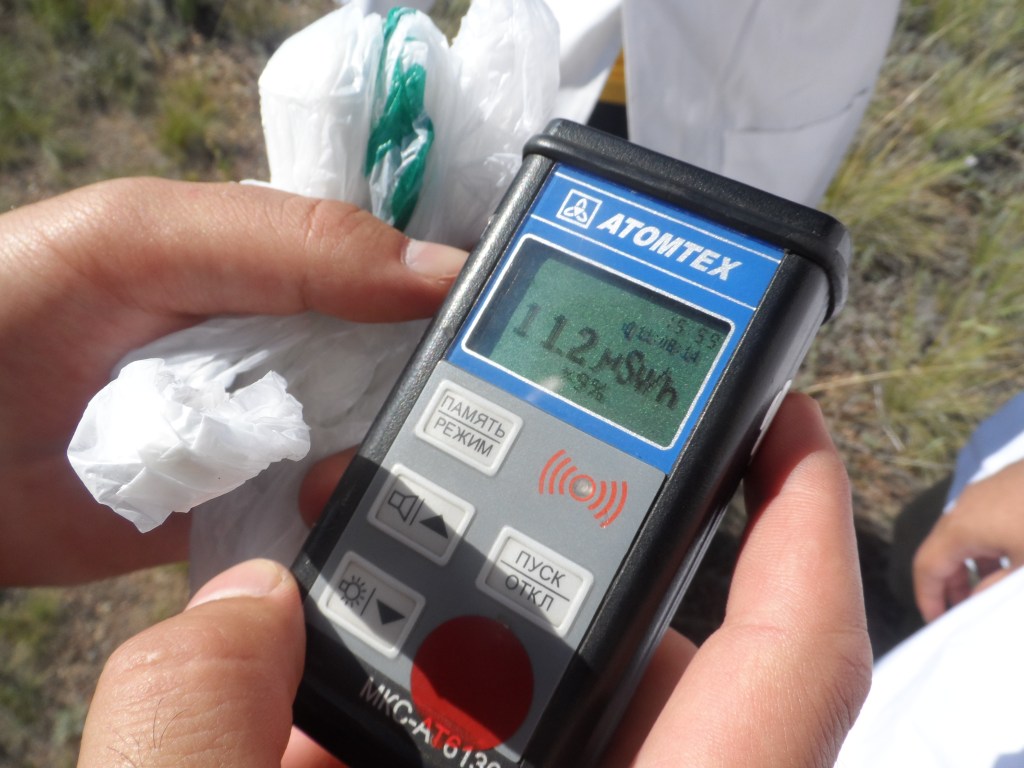
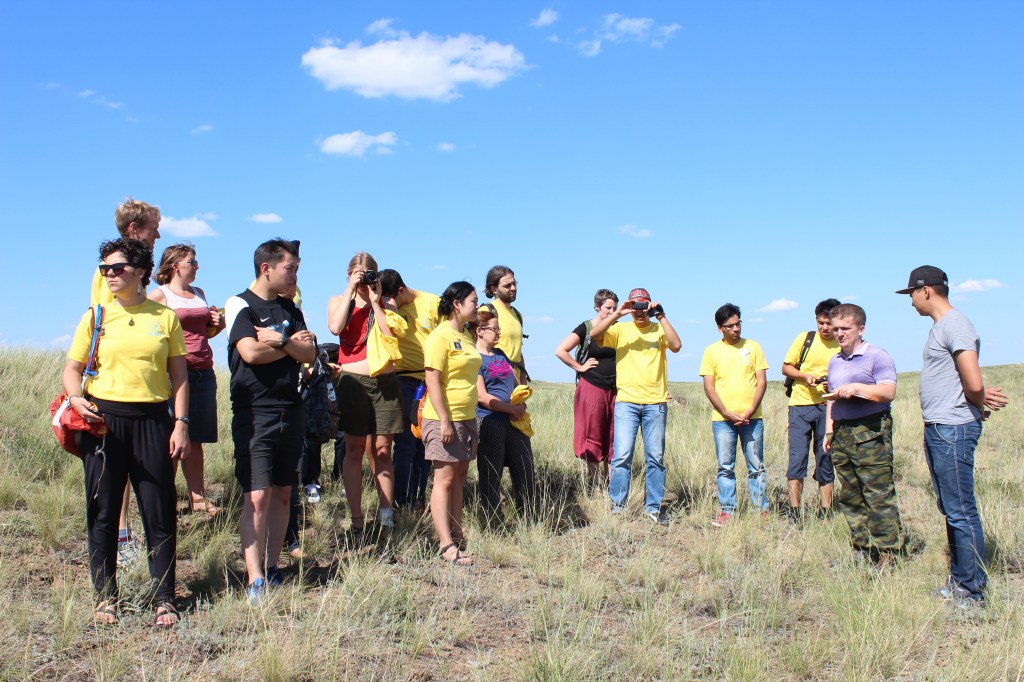
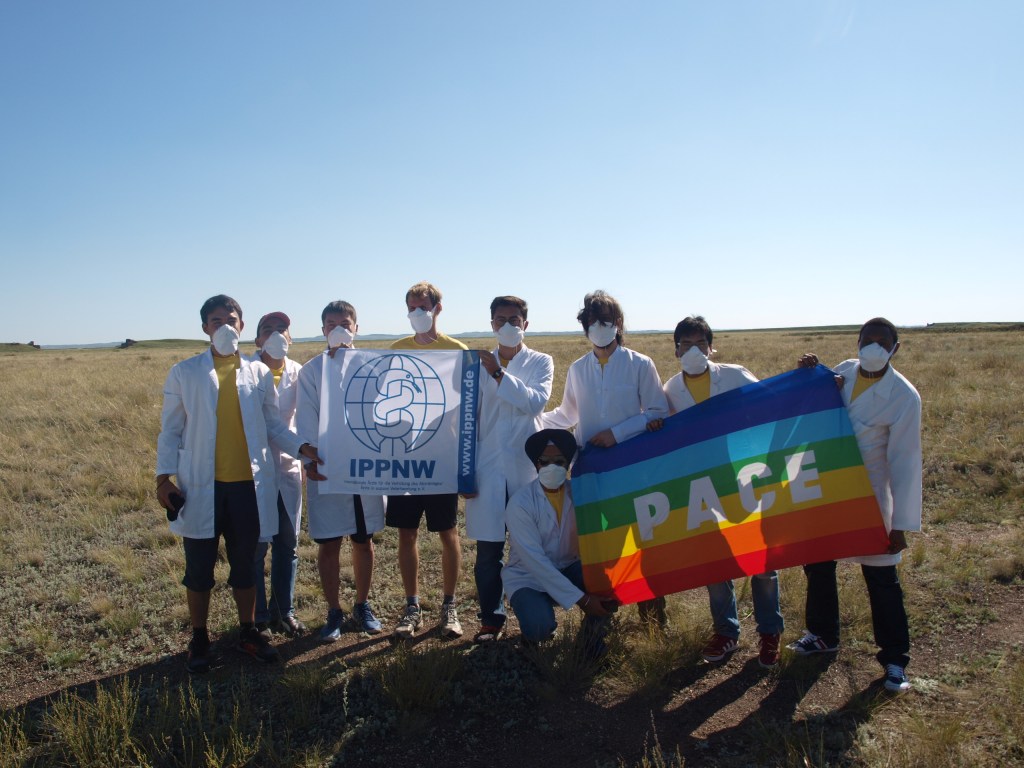
We had the opportunity to check the radiation levels at three different points. This was around the testing site and in the town of Kurchatov. At the epicenter, the radiation level in the air was .016 mSv/h (0.384 mmSv/d or 140.16 mSv/year). More alarming was a rock on the ground 15 m away from the epicenter that emitted 0.021 mSv/h (0.504 mSy/d or 196 mSv/year). For context, the average radiation a German and American citizen get from all sources is approximately 2 and 3 mSv/year, respectively. Expectedly, the radiation level dropped to 0.00006 mSv/hour as we moved 2-3 km away from the site. It then remained the same even at the outskirts of Kurchatov town (~50 km away from the test site). We also visited the Institute of Radiation Safety and Ecology. This institute has kept the historical data and artifacts from the time when the USSR tested their nuclear weapons.
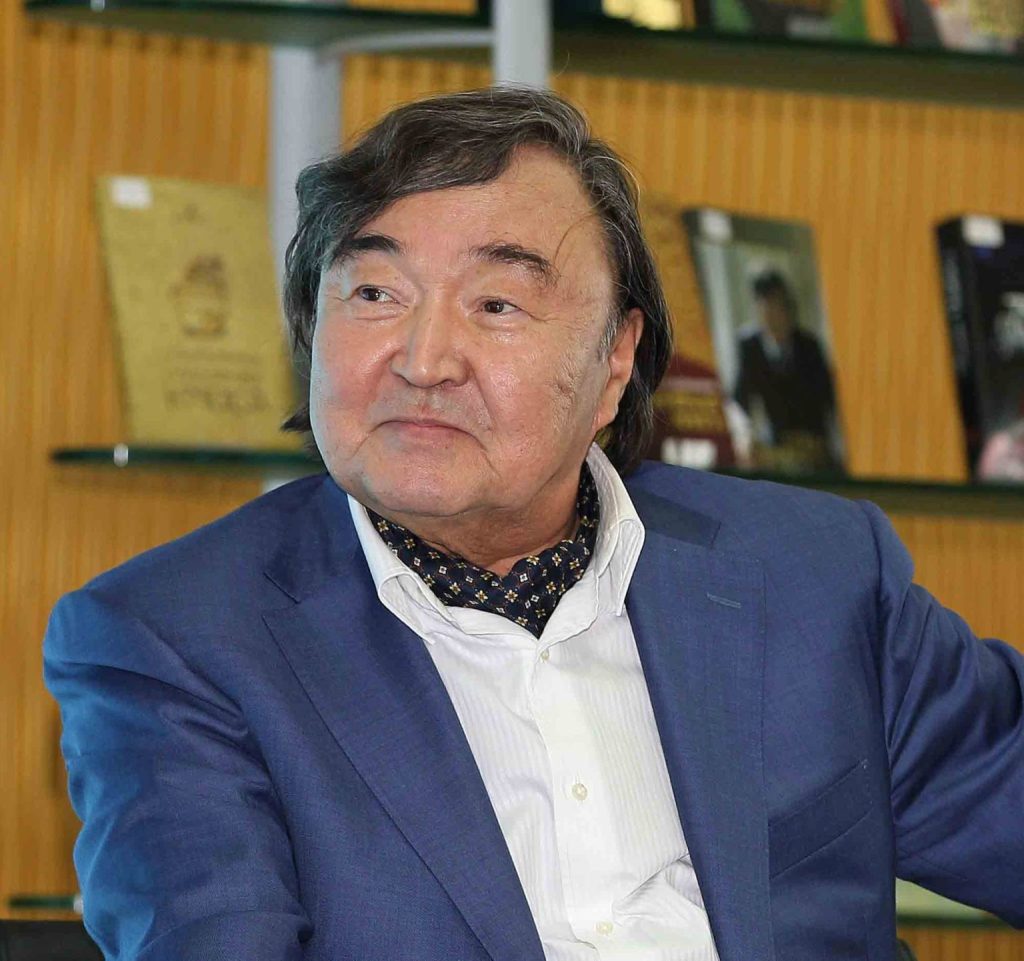
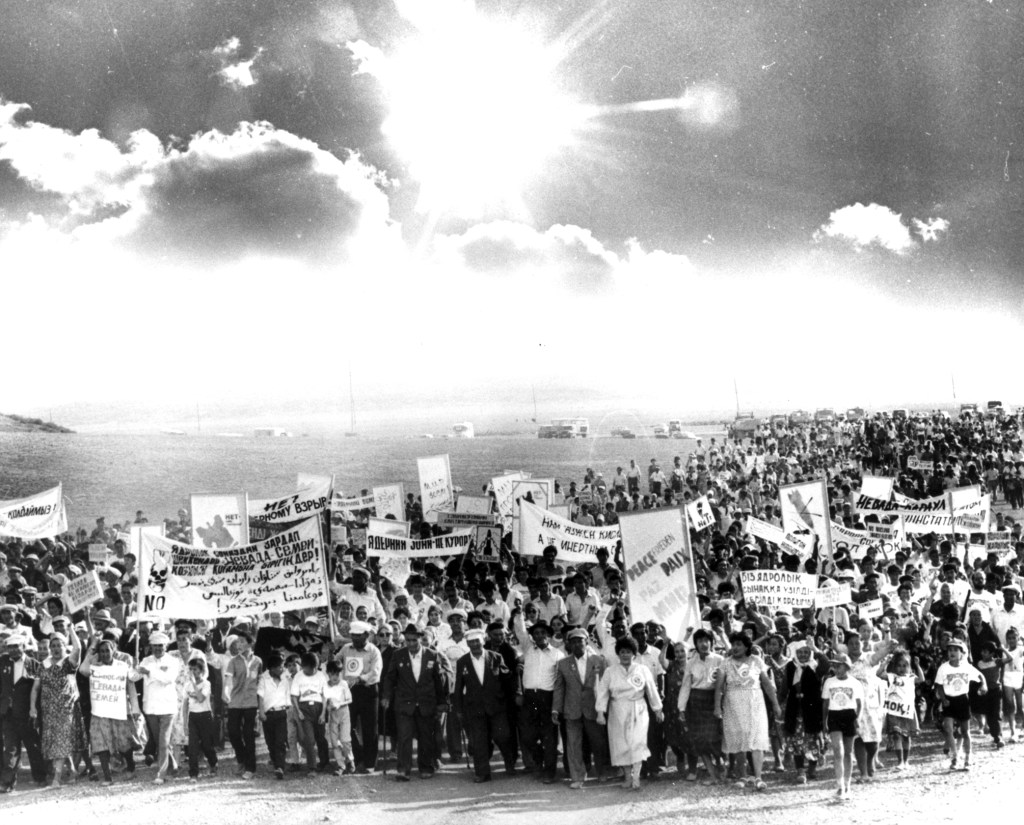
It is noteworthy to mention that Kazakhstan has abandoned all its nuclear weapons and testing since independence in 1991. I would also like to mention that in 1990 IPPNW teamed up with Kazakh poet Olzhas Suleiminov. They joined the famous Nevada-Semipalatinsk Movement for massive public demonstrations. These demonstrations succeeded in closing the Semipalatinsk test site. This paved the way for the Comprehensive Test Ban Treaty.
Over the next days, we interacted with many locals in nearby villages while cycling. One such village was Kanoreka. We sat with them in the shade of a huge tree in front of the ambulance building of the village. Women of all ages shared their experiences with us. Nurses and paramedics also told us about the nuclear tests. These tests took place about 200 km south of their village. The elder women remembered the rumours of explosions and saw the mushroom clouds rising in the sky. They were told at that time that these were earthquakes.
Medical staff told us about the increased incidence of various types of cancers, especially leukaemia. The incidence was still increasing in this region in the last few decades. There were also increases in the number of cases of cardiovascular diseases and pulmonary embolism. There is a social stigma for people from this region. It’s very hard to get married. There is a fear of having children who have disabilities.
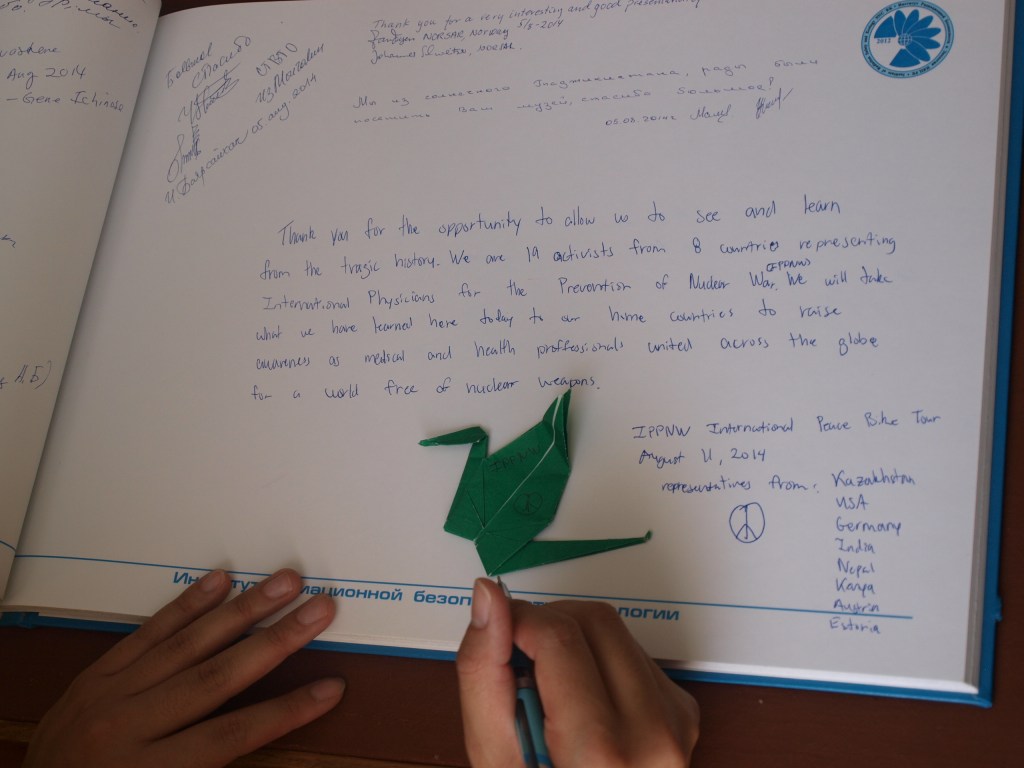
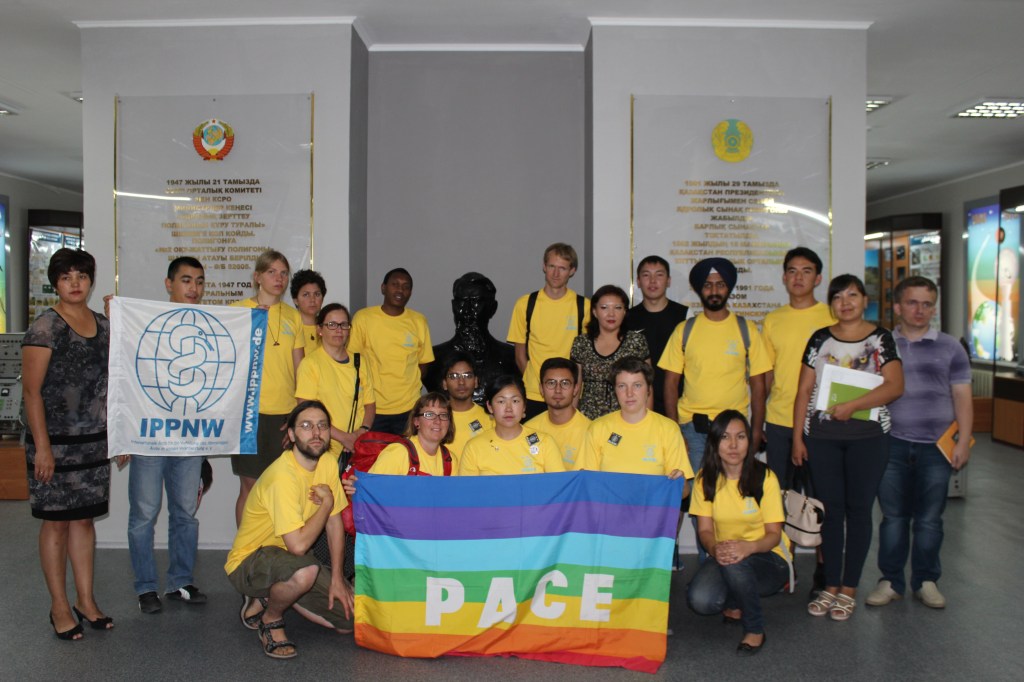
We learnt a lot in a short period of time. We also met a handful of locals who recognized the adverse health effects from nuclear weapons testing. This left us with much to consider and think about. Many questions came to our mind. Over the coming weeks, we gradually explored these questions. We did this while cycling together as the 19 participants of the IPPNW International Peace Bike Tour.


 NIKOMEN!
Leave a comment